Painting ceilings in Happy Valley, OR almost never happens as a standalone job, it usually rides along with a wall repaint, a popcorn removal, or a full interior refresh. That bundling is exactly why so many homeowners underestimate it: overhead application, texture, and lighting all change how a ceiling takes paint compared to a wall. Here's what actually goes into the job, room by room.
Ceiling Painting Services in Happy Valley
As a house painter working throughout Happy Valley, we treat walls and ceilings as one connected system rather than two separate line items. A typical interior scope includes:
- Wall painting
- Ceiling painting
- Trim and door painting
- Cabinet painting
- Full interior repaints for multi-room refreshes
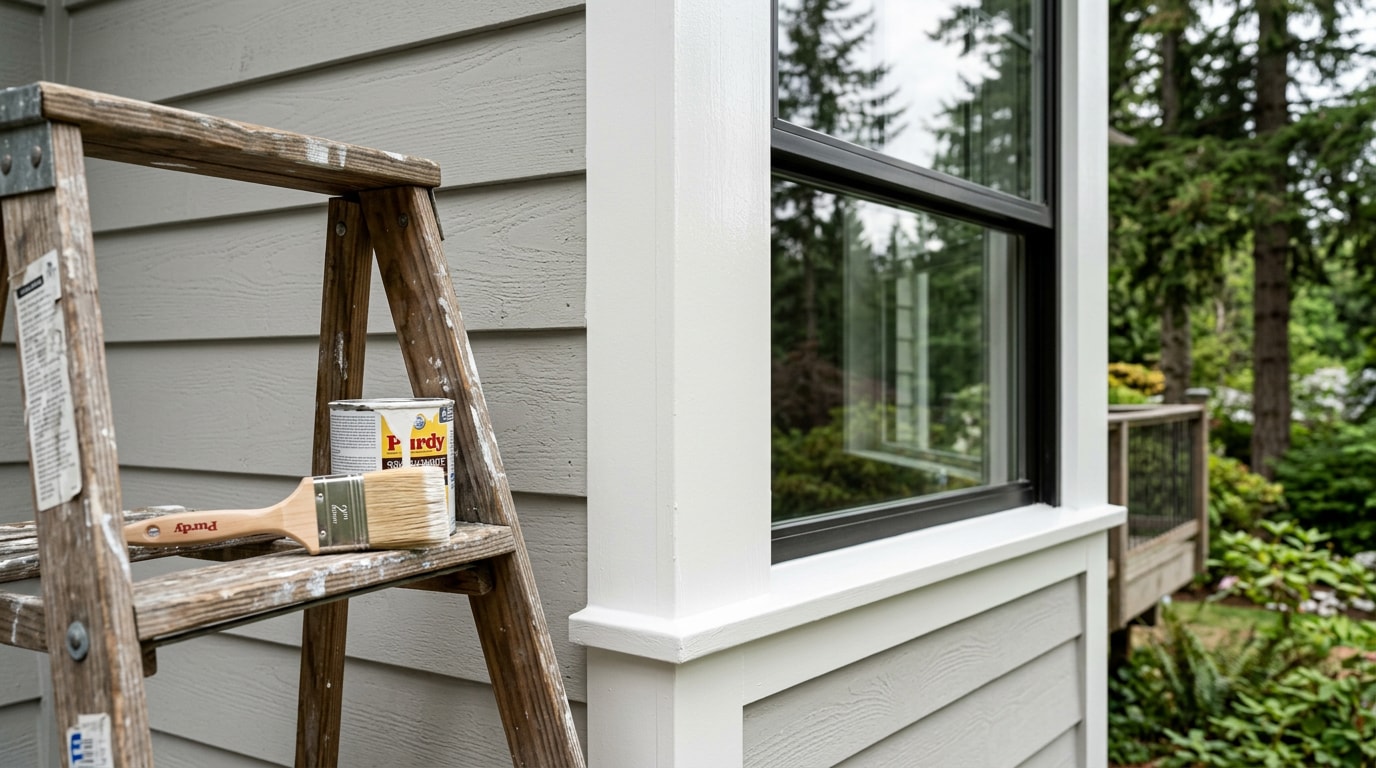
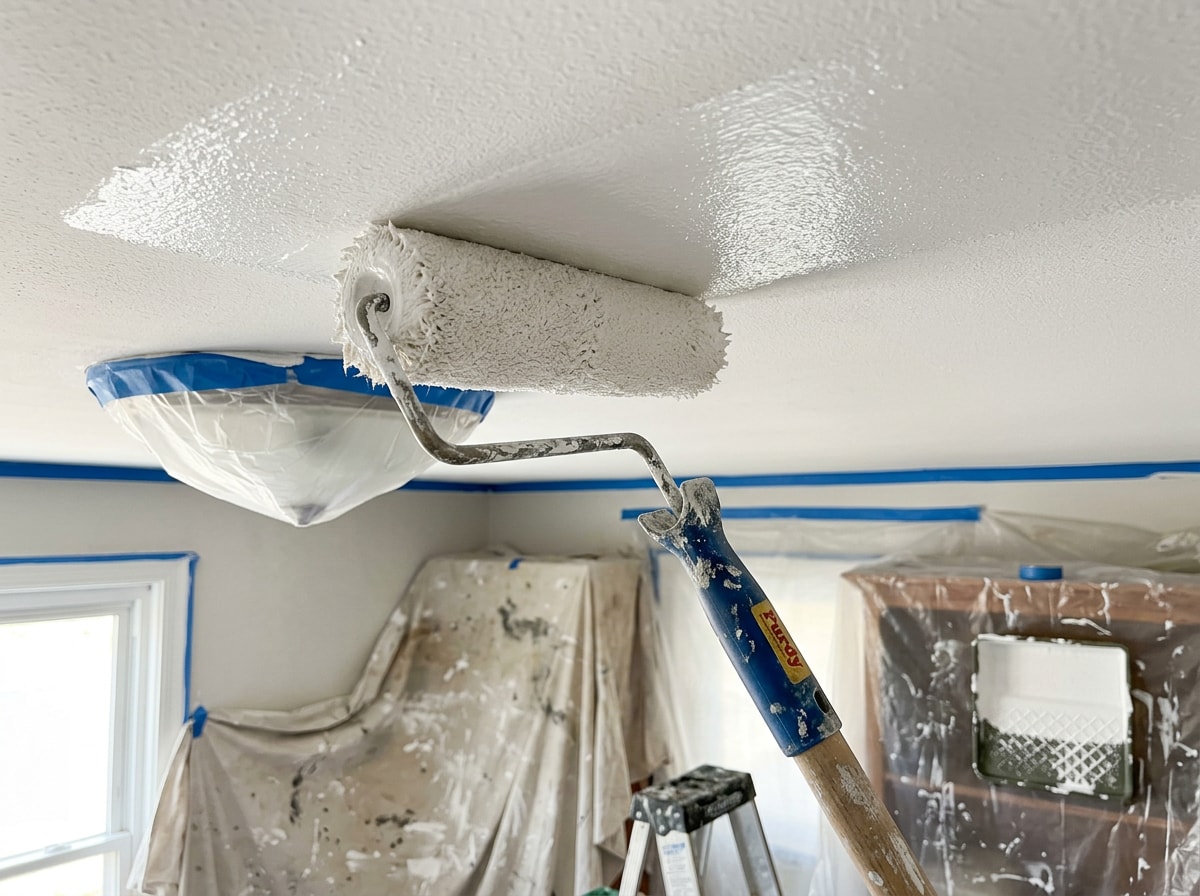
Ceiling work is usually just one piece of that list, but it's the piece that needs the most planning, since drips, lap marks, and uneven coverage show up fast overhead without the right roller technique and nap. Choosing the right tool for the surface matters here too; our post on picking the right painting brush covers how brush and roller selection changes the finish on flat versus textured surfaces.
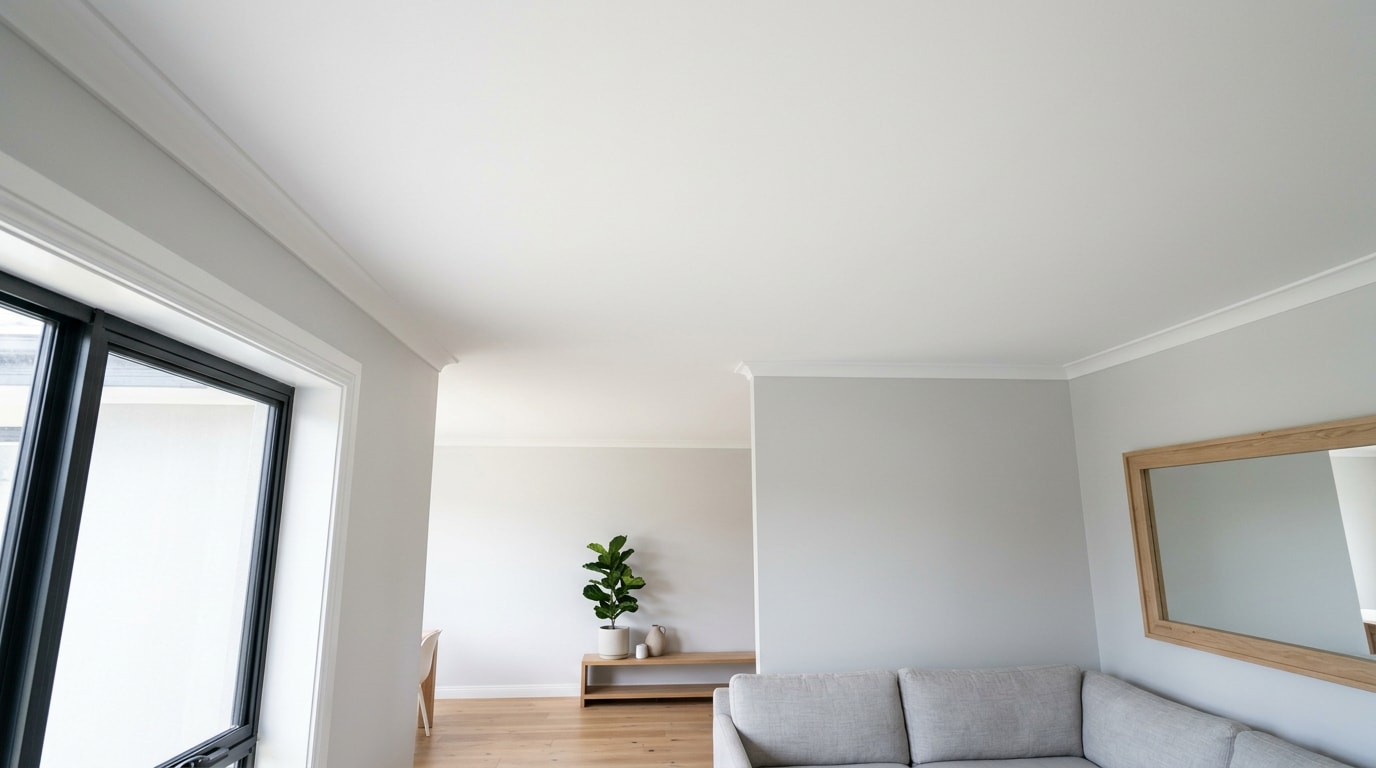
A flat, smooth ceiling generally takes fewer passes than a vaulted or heavily textured one, since texture holds more paint and hides roller marks differently than drywall. Our interior house painting page has more detail on how ceiling work fits into a full room repaint.
Textured and Vaulted Ceilings Common in Happy Valley Homes
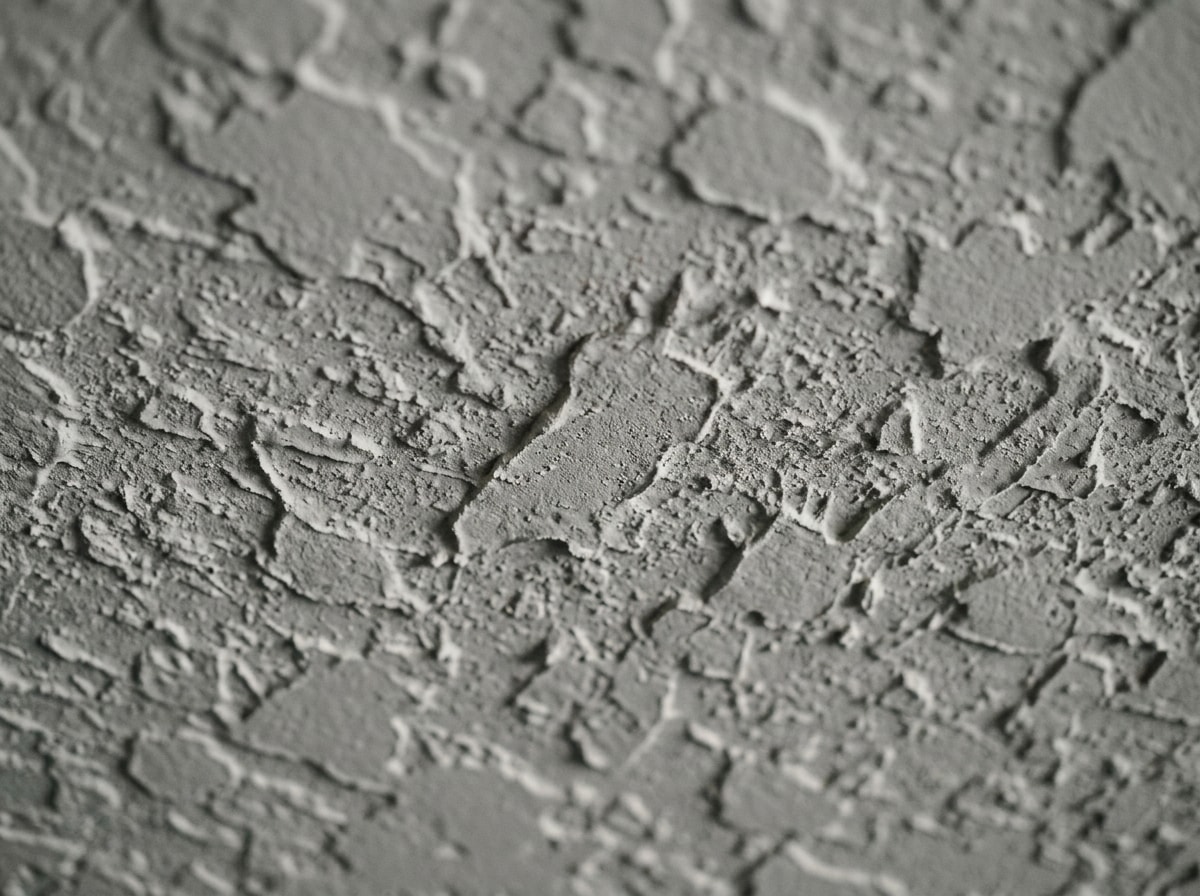
Most homes in Happy Valley aren't old by Portland-metro standards. In Happy Valley, the median construction year is 2006. That means the orange peel, knockdown, and heavier stipple textures common in 1990s-and-later construction show up constantly here, and vaulted great-room ceilings are a frequent request on bids.
Textured ceilings absorb paint differently than smooth drywall, which means more product and more careful roller work to avoid missed low spots in the texture pattern. Vaulted ceilings add a second variable: height and angle change how light hits the surface, so missed spots that would be invisible on a flat ceiling can read as obvious streaks.
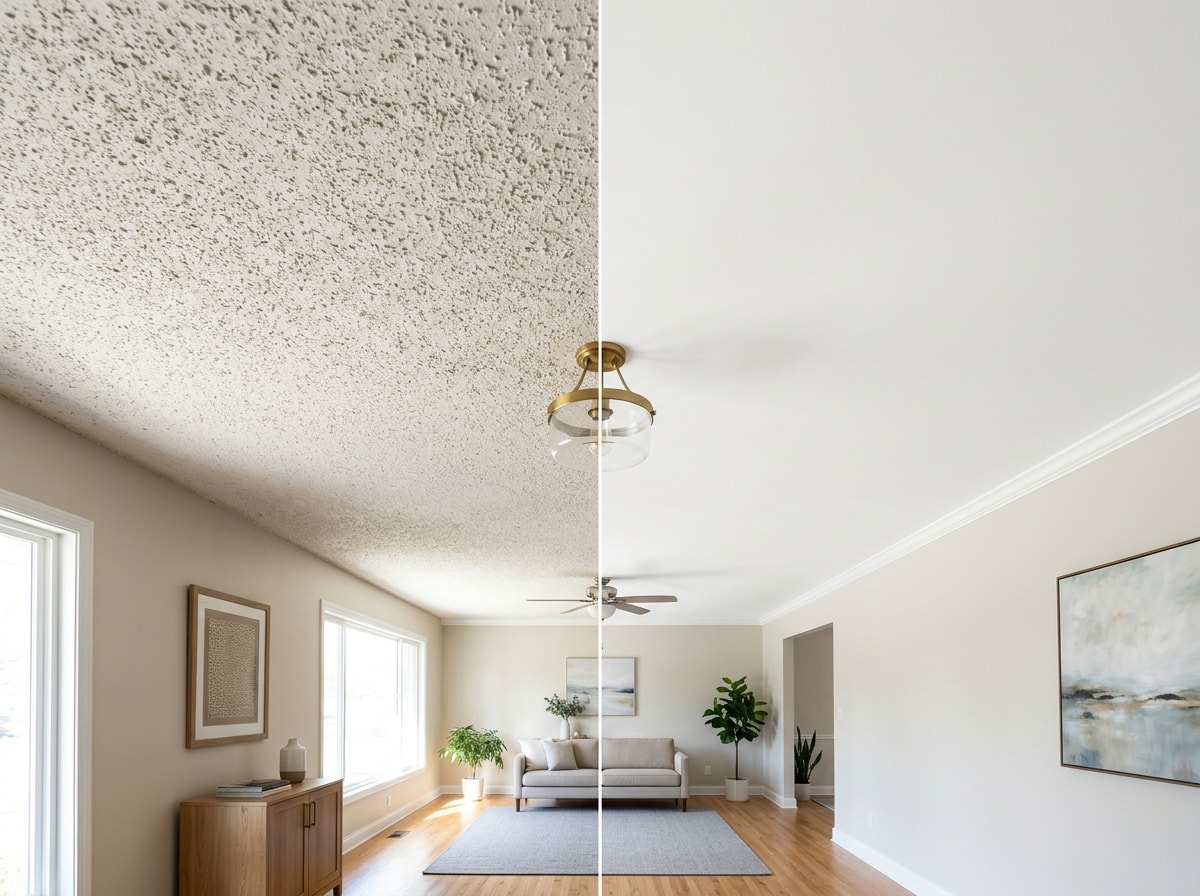
Paint Over Texture or Remove It First?
Homeowners choosing between a textured ceiling repaint and full popcorn removal are really weighing labor, cost, and the finished look.
| Factor | Paint Over Existing Texture | Remove Texture First |
|---|---|---|
| Labor involved | Lower; mask, prime stains, roll | Higher; strip texture, skim-coat, sand, then paint |
| Typical cost | Lower | Higher per square foot |
| Finished look | Keeps existing texture pattern | Smooth, modern drywall look |
| Pre-1978 homes | Still requires stain priming | May require lead-safe work practices if lead paint is present |
Since the median construction year is 2006 for homes here, far fewer Happy Valley properties fall into the pre-1978 lead-paint window than in older Portland neighborhoods. But any home built before 1978 still needs the same precautions. EPA's RRP Rule requires that anyone paid to perform work that disturbs painted surfaces in homes, childcare facilities and preschools built before 1978 be certified and their employees be trained in the use of lead-safe work practices that minimize occupants' exposure to lead hazards. On the crew side, OSHA's lead in construction standard caps airborne lead exposure at a 50 µg/m³ 8-hour time-weighted average with a 30 µg/m³ action level, along with trigger-task protection and monitoring requirements. A contractor who follows both isn't just protecting your family, they're protecting the crew in your home.
Why Hire a Professional for Ceiling Painting
Overhead work is physically different from wall painting. A professional crew knows how to keep coverage even and drips rare, and which finish controls glare and hides imperfections on a given ceiling type.
Finish choice matters more than most homeowners expect:
| Finish | Best For | Light Behavior |
|---|---|---|
| Flat / matte | Smooth or lightly textured ceilings | Minimal glare, hides flaws |
| Eggshell | Bathrooms, laundry rooms | Slight sheen, wipeable |
| Satin | High-moisture ceilings, kitchens | More glare, most durable |
Many crews, ours included, now favor low-VOC paint formulas on occupied interiors. EPA's Indoor AirPlus program identifies construction practices and product specifications, including low-VOC paints, that minimize exposure to airborne pollutants and contaminants. That matters most in bedrooms and bathrooms where the ceiling gets painted while the room stays in daily use.
If your project spans more than one room, see how this fits into a broader plan on our house painter services page, or visit the Happy Valley area page for local project examples.
Get a free estimate before you commit to paint-over versus removal, it changes the cost math more than any other decision in the project.
FAQ
How Often Should You Paint Your Ceiling?
Most ceiling paint holds up well for 8 to 10 years in normal living spaces. Kitchens and bathrooms often need a repaint sooner because of heat and moisture. Yellowing, visible stains, or fine surface cracking are the clearest signs it's time, regardless of exact age.
How Much Does It Cost to Paint a Ceiling in Happy Valley?
Cost varies with ceiling height, texture, and current condition. Vaulted and heavily textured ceilings run higher per square foot than a flat, smooth one because of the extra product and labor involved. Contact us directly for a project-specific estimate rather than relying on a generic average.
What Color Should You Paint a Ceiling?
White or off-white remains the default because it reflects light and keeps rooms feeling open. Darker accent ceilings work well in dining rooms or bedrooms aiming for a cozier, more dramatic feel.
Do You Need to Prime Before Painting a Ceiling?
Yes. Every ceiling job should start with masking walls and floors, patching imperfections, and priming any stains before the topcoat goes on. Skipping primer on a water-stained ceiling almost always lets the stain bleed back through.
Can You Paint Over a Popcorn Ceiling Without Removing It?
Yes, as long as the texture is intact and not flaking. Paint over existing texture costs less than removal but keeps the bumpy look. Removal gives a smooth, modern finish but adds skim-coating and sanding before any paint is applied.
What Paint Finish Is Best for Ceilings?
Flat or matte is standard for most rooms because it hides imperfections and minimizes glare. Bathrooms and kitchens sometimes call for eggshell or satin instead, since those finishes hold up better against moisture and are easier to wipe down.
Ready to get your ceilings done right? Request your free estimate and see how a connected wall-and-ceiling approach saves time and money. You can also explore our full range of services from the homepage.