
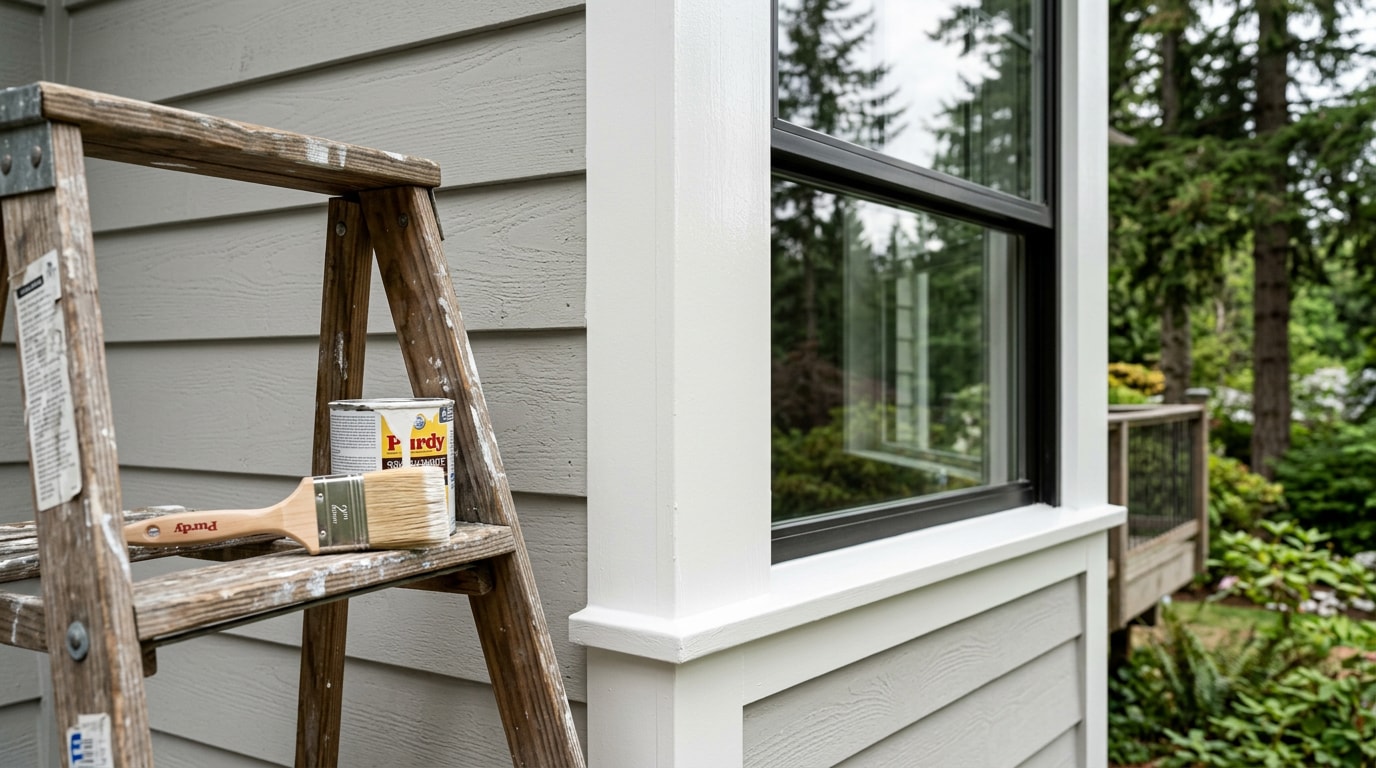
A house painting brush in Wilsonville, OR has to do more than sit nicely on a store shelf, it has to survive our wet Pacific Northwest winters and still lay down a clean coat. Bristle material, shape, and size each change how smoothly paint goes on and how long the brush itself holds up. This guide walks through each decision so your next paint job, inside or out, looks professional from the first stroke.
Paint Brush Bristle Types: Natural vs. Synthetic
Before anything else, decide what kind of bristles you need. That choice depends almost entirely on the paint you're using, and getting it wrong is one of the fastest ways to ruin a finish.
Natural Bristle Brushes
Natural bristle brushes are made from animal hair, usually hog, ox, or China bristle, and they're built for oil-based paints, stains, and varnishes. The bristles have a natural taper that holds solvent-based finishes evenly and releases them smoothly onto wood trim, doors, and furniture.
Oil-based products release stronger fumes, so work in a well-ventilated space and take breaks if you notice headaches or dizziness. Taking frequent fresh air breaks while painting is part of the EPA's healthy indoor painting guidance , which is worth a quick read before a weekend of brushing oil-based trim paint indoors. Natural bristles should never touch water-based paint, more on that later.
Synthetic (Nylon/Polyester) Brushes
Synthetic brushes made from nylon, polyester, or a blend of both are the default choice for today's latex and acrylic paints, which make up most residential jobs. Synthetic fibers don't absorb water, so they won't swell, go limp, or lose their shape in Oregon's damp climate. That durability matters here more than in drier regions, since brushes get reused across multiple rainy-season projects.
On recent Wilsonville exteriors, our crews reach for a 2.5-inch synthetic brush on fascia boards specifically because it keeps its edge through the early-morning dew that's common here even on paint days that start dry.
Paint Brush Shapes Explained
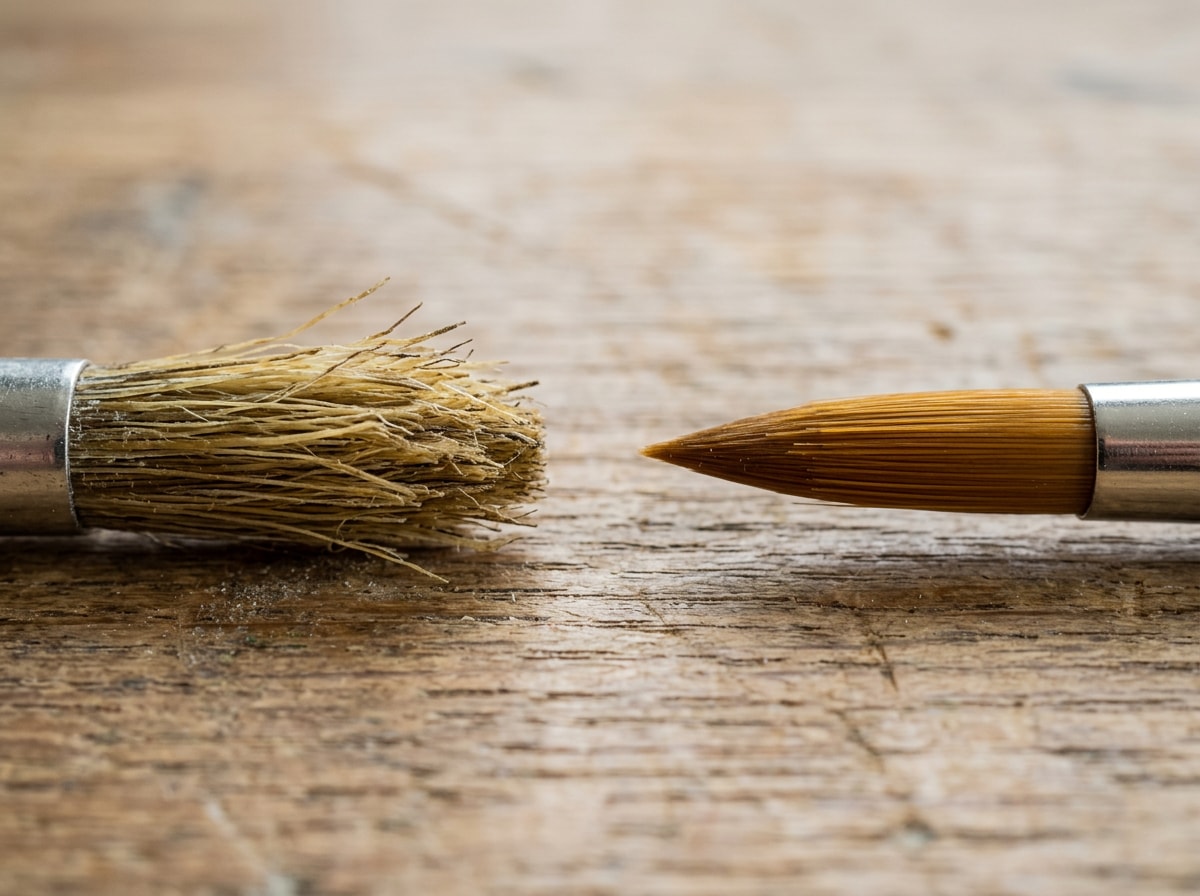
Shape determines how much control you have and how fast you can cover a surface. Most homeowners only need two shapes to handle an entire house.
Flat Paint Brushes
Flat, or wall, brushes have a straight, wide edge built for broad, flat surfaces like siding, fences, and large trim boards. Their wider profile holds more paint per dip, which speeds up coverage on surfaces that don't need tight precision.
Angled (Sash) Paint Brushes
Angled sash brushes have bristles cut at a diagonal, which gives far better control for cutting in along window sashes, ceiling lines, and corners. That angled edge lets you follow a straight line freehand without constantly reaching for tape, making it the brush most painters reach for on detail work.
Paint Brush Sizes: Which One Should You Choose?
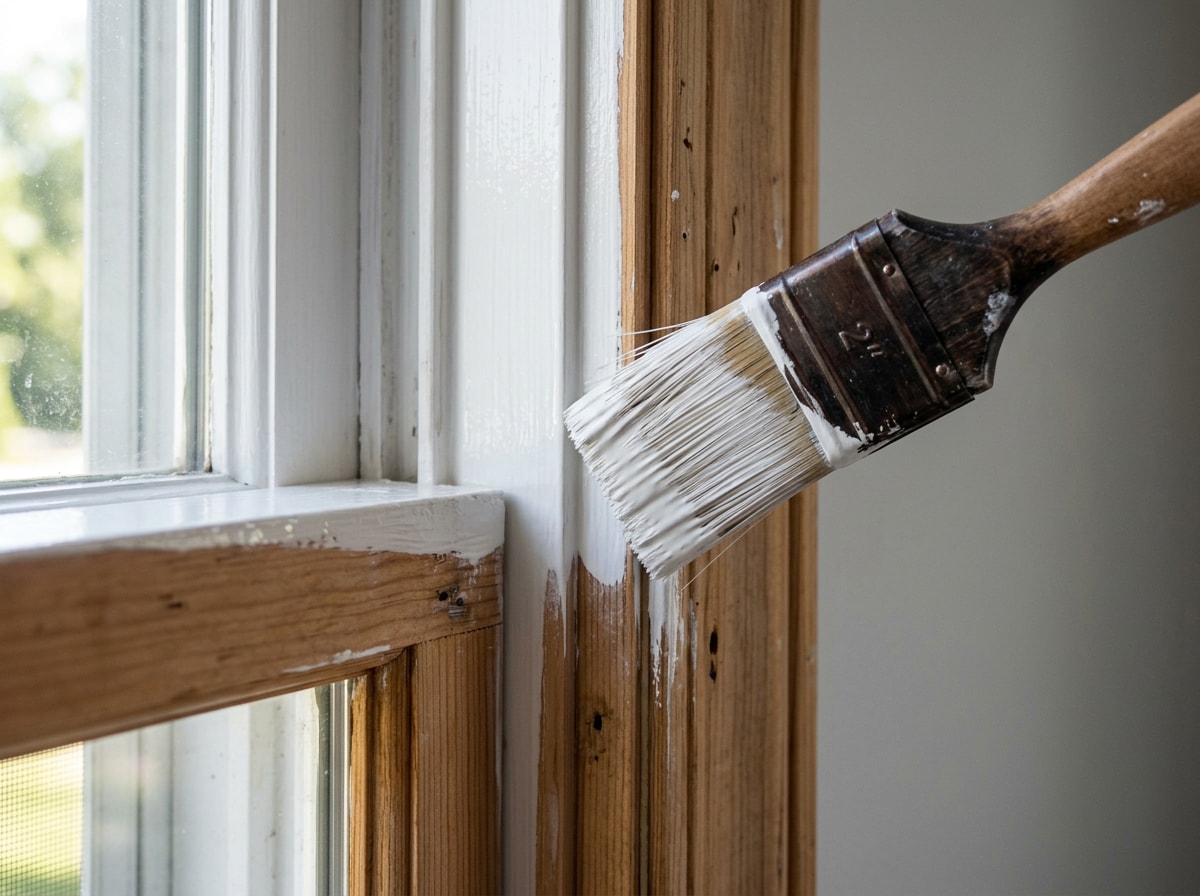
Brush width should match the project, not a personal preference for "bigger is faster." A mismatched size slows down work and leaves sloppy edges, no matter how good the bristles are.
| Brush Width | Best For |
|---|---|
| 1 inch | Narrow craftsman-style trim, muntins, small molding |
| 1.5 inch | Window sashes, cabinet edges, tight corners |
| 2 inch | Doors, standard trim boards, shutters |
| 2.5 inch | Fascia boards, wider trim runs |
| 3 inch | Lap siding, fences, broad flat panels |
A brush that's too small on wide siding means more strokes, more lap marks, and a longer afternoon. One that's too large for narrow craftsman trim is nearly impossible to control without slopping paint onto adjacent surfaces. For exterior work specifically, our exterior house painting services page covers prep and application by surface type.
Matching the Brush to the Paint and the Job
Work through the decision in order: identify the paint type first, then pick bristle material, then settle on shape and size. Skipping straight to size or shape without confirming the paint type is how mismatched brushes end up in the cart.
Most interior and exterior residential paint sold today is latex or acrylic, which makes synthetic brushes the practical default for most Wilsonville homeowners. Oregon's Department of Environmental Quality has been working through a rulemaking to set new limits on volatile organic compounds in consumer products and architectural coatings, aimed at reducing ozone concentrations in metro areas including Portland . That push toward lower-VOC formulas, layered on top of the existing national architectural coatings rule the EPA published under the Clean Air Act limiting VOCs in paint products , is one more reason most retail paint lines have shifted to water-based formulas, and why synthetic brushes have become the standard pick. If you're unsure where to start on a whole-house project, our homepage outlines the full range of painting services we offer locally.
Best Paint Brush by Project
The "best" brush changes depending on the specific task at hand, not just the paint can label. Trim work is a good example of how shape, size, and bristle type come together for one job.
A high-quality synthetic or polyester-nylon blend brush is the right call for exterior-grade latex trim, since it resists swelling from moisture and holds its shape through temperature swings, a real factor given how much our weather shifts between seasons. For interior trim and doors, a 2-inch angled sash brush in the same synthetic blend gives clean lines without constant reloading. Our interior house painting and door painting and staining pages cover trim, doors, and cabinetry in more detail.
Evaluating Paint Brush Quality
A quality brush should spring back to its original shape after you flex the bristles. If they stay bent or feel stiff and scratchy, skip it.
- Fan the bristles apart gently. A few loose hairs is normal, but a handful falling out signals a poorly made brush that will shed into your paint job.
- Pick a handle that fits your hand without straining your wrist over long sessions.
- If you're new to a brush, practice a few strokes on cardboard or scrap wood before starting the real surface.
That short test run helps you gauge how much paint the brush holds and how it releases under pressure.
Common Paint Brush Mistakes
Even a well-made brush will underperform if it's paired with the wrong paint. One mistake shows up more often than any other.
Using Natural Bristles with Latex Paint
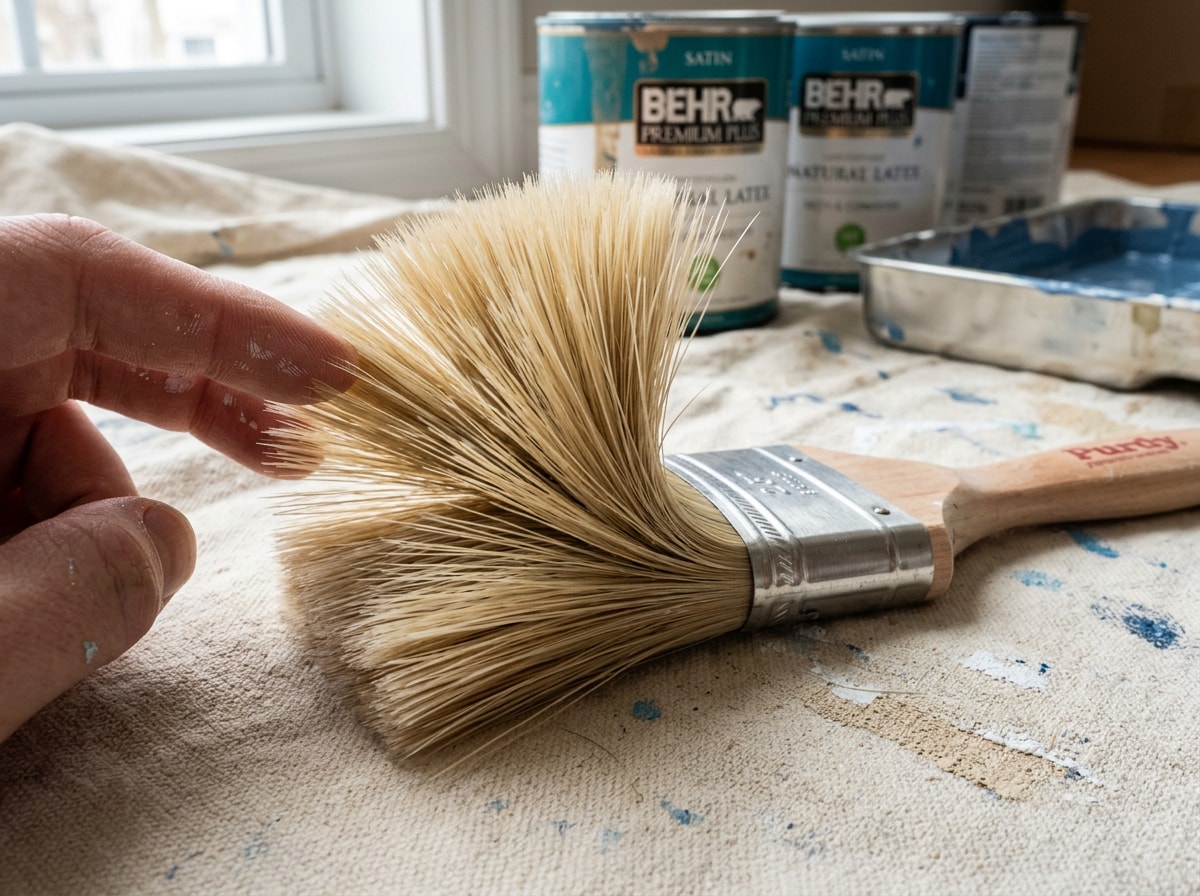
Natural bristles absorb water, and latex paint is water-based, so the bristles soak it up, go limp, and splay out mid-stroke. The result is streaky, uneven coverage and a brush that's hard to control. Synthetic bristles are the correct match for any latex or acrylic product because they resist that water absorption and keep their shape through the stroke.
Skipping the Cleanup
A brush left to dry with paint still in the heel will never fully clean out again. Rinse or solvent-wash it the same day, work the cleaner down to the ferrule, and reshape the bristles before they dry.
If brush shopping and surface prep sound like more trouble than it's worth, you can skip the hardware store trip entirely. Get a free estimate from our crew and we'll bring the right brushes, rollers, and sprayers for your project.
A Note From Our Wilsonville Paint Crew
JMZ Painting Services is a Portland-area painting and pressure washing contractor that works throughout Wilsonville and nearby communities, including West Linn and Lake Oswego. We pull these brush recommendations from jobs we run week to week, not just from a spec sheet, which is why the sizing table above matches what's actually in our vans. You can see examples of recent local work on our projects page, or reach out through our contact page with questions about a specific surface.
FAQ
Are cheap paint brushes any good?
Cheap brushes often shed bristles and leave streaks because the fibers are low-grade and poorly set into the handle. They're fine for a single small touch-up where finish quality won't matter much, but for visible trim, doors, or siding, a mid-range or higher-quality brush pays off in a cleaner result and less rework.
What paint brush gives the smoothest finish?
A smooth finish comes from a combination of a quality brush and solid technique. Stir the paint thoroughly, prep the surface properly, use light, even pressure, and avoid overworking the same area once paint starts to set. A high-quality synthetic brush with tapered bristles helps, but technique closes most of the gap between an average brush and a great one.
How do bristle types affect paintbrush choice for house painting?
Bristle type should match paint type: natural bristles for oil-based paints and stains, synthetic bristles for latex and acrylic paints. Mixing them up leads to limp bristles, streaking, or uneven coverage, as covered in the bristle types section above.
Why is brush size important for efficient house painting?
Brush size affects both speed and control. Wider brushes cover large areas faster, while narrower brushes give the precision needed for trim and corners. Choosing the wrong size for the surface slows the work down and often produces a less even finish.
How do I clean and store paint brushes between coats?
For latex paint, rinse with warm water and mild soap until the water runs clear, then reshape the bristles and let the brush dry flat or hanging. For oil-based paint, work mineral spirits through the bristles down to the ferrule, wipe out the excess, then wash with soap and water. Store brushes flat or in their original sleeve so the bristles don't bend.
Can I use the same brush for interior and exterior paint?
Yes, as long as the bristle type matches the paint on both jobs. A synthetic 2-inch angled sash brush works for latex interior trim and latex exterior trim equally well. Keep a separate brush only if you're switching between oil-based and water-based products.