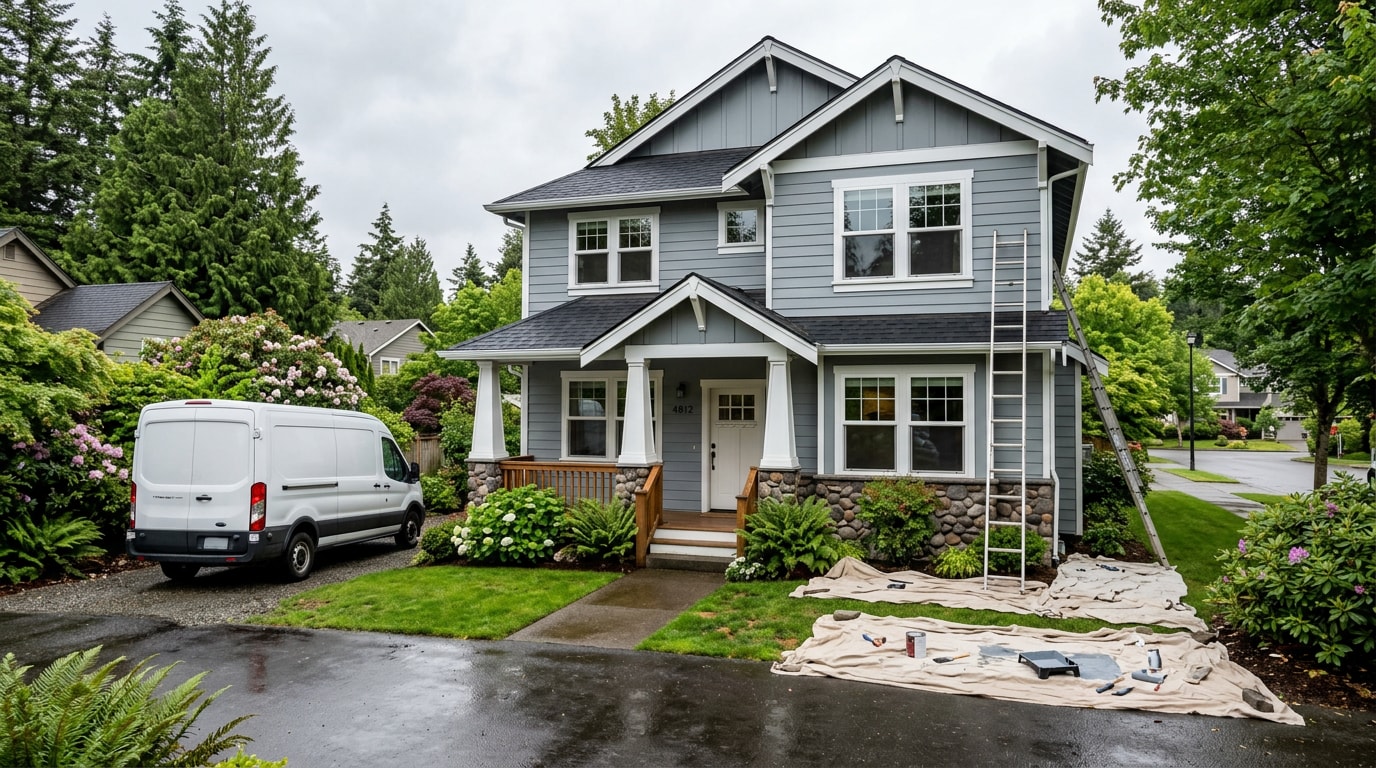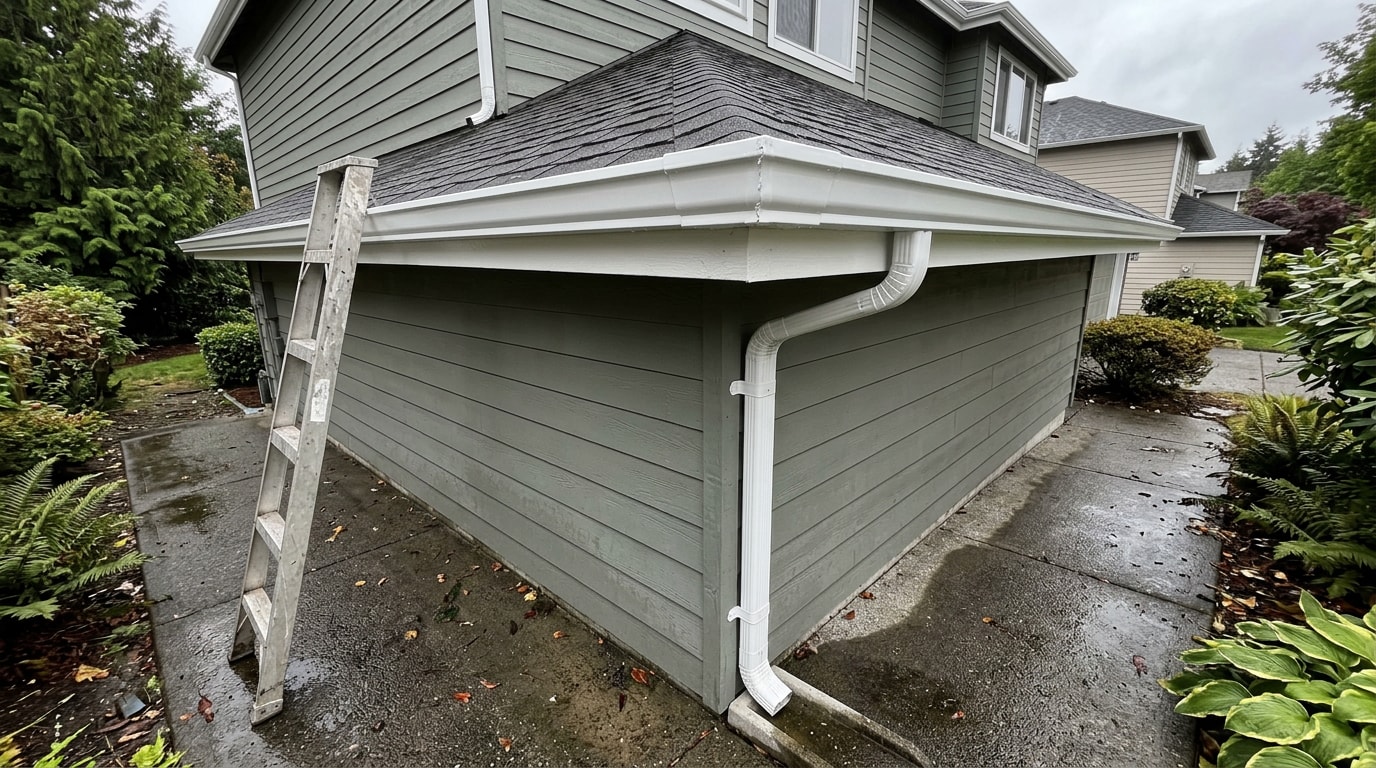
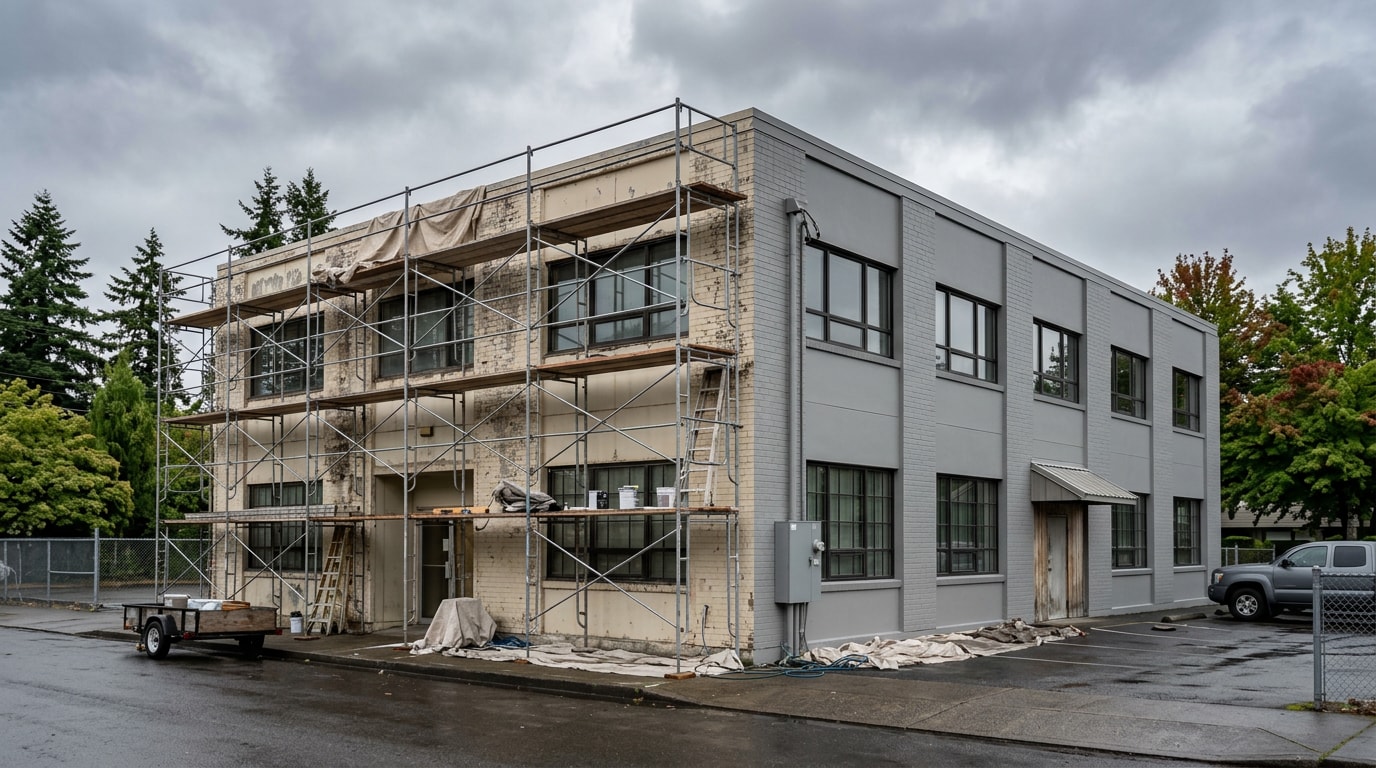
Commercial property painters in Lake Oswego, OR work around tenants, inventory, and business hours, not just walls and trim. Offices, retail storefronts, and warehouses each demand different prep, materials, and scheduling, and getting that mismatched can mean a store closed during peak hours or a coating that fails within a year or two. Here's what separates a qualified commercial painting contractor from a residential-only painter, and what to confirm before signing a contract.
What Lake Oswego Commercial Painting Services Should Cover
Commercial painting isn't one service. A medical office lobby, a retail storefront on a busy corridor, and a warehouse interior each call for different surface prep, coating types, and access equipment.
A contractor who genuinely works across commercial property types should be able to speak specifically to:
- Office interiors — low-odor coatings, after-hours scheduling, and protecting furniture and equipment during application. See office interior painting for how this typically works.
- Retail spaces — fast turnarounds, brand-color matching, and minimal disruption to foot traffic, detailed on the retail space painting page.
- Warehouses and industrial buildings — large surface areas, high ceilings, floor coatings, and durability under heavy use, covered under warehouse painting.
- Building exteriors — siding, trim, stucco, and signage areas that face direct weather exposure, outlined on the commercial building painting page.
If a contractor's only commercial experience is painting a handful of small offices, ask directly how they'd handle a 20,000-square-foot warehouse or a multi-tenant retail strip. The answer tells you a lot before a bid ever gets written.
Licensed, Bonded, and Insured: What Oregon Actually Requires
A license isn't a formality here. Oregon contractors are required to carry a Construction Contractors Board (CCB) license, and contractors must put this number on their advertising, including brochures, websites, and business cards . That means you can verify a contractor's status before you ever sign anything, and you should.
Before hiring, confirm:
- The contractor's CCB number is active and matches the business name on your estimate.
- Proof of general liability insurance, not just a license number.
- Bonding status, which protects you if work is left incomplete.
- Workers' compensation coverage for any employees on-site.
You can check license status directly through the state's CCB contractor license search rather than taking a contractor's word for it. Property managers who skip this step are the ones who end up dealing with liens or incomplete jobs.
Signs of a Reliable Commercial Painting Contractor
A strong reputation is built on repeatable results, not a polished sales pitch. Look for:
- A written scope of work that specifies surfaces, prep steps, number of coats, and materials by brand and sheen.
- Clear communication with property managers about timelines and access needs before work starts.
- A portfolio of comparable commercial projects. Review past projects to see the range of work a contractor has actually completed.
- Consistency across multiple sites or phases, not just one good result.
If a contractor can't walk you through their prep process without being asked twice, that's usually a preview of how the job itself will go.
Lake Oswego's Climate: Why Timing and Prep Matter
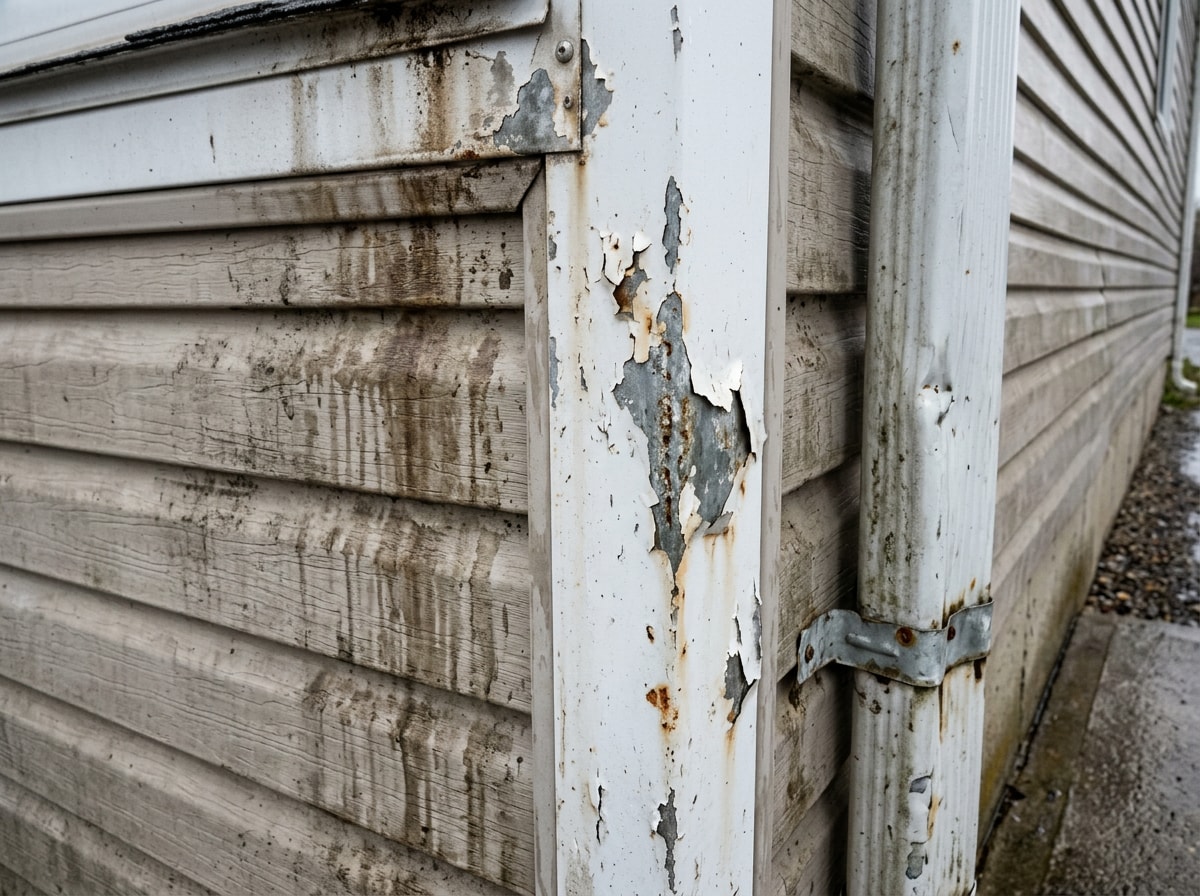
Lake Oswego's weather pattern puts real stress on commercial exteriors. Normal monthly precipitation at the Portland-area airport station runs 5.45 inches in November and 5.77 inches in December, compared to roughly half an inch in July and August . That swing from saturated winters to dry, UV-heavy summers causes siding to absorb moisture, then contract under heat, which accelerates cracking, peeling, and fading.
Different substrates react differently to this cycle:
- Wood siding needs re-caulking and spot priming more frequently than fiber cement.
- Stucco can trap moisture if sealed incorrectly, leading to bubbling.
- Metal trim and signage areas are prone to rust streaking if primer is skipped.
Exterior prep almost always starts with house pressure washing grade cleaning, scaling, and caulk repair before any topcoat goes on. For commercial buildings specifically, that prep work falls under pressure washing services designed to prep larger surface areas efficiently.
The Commercial Painting Process, Step by Step
A typical commercial painting project follows a consistent sequence:
- Site walk and estimate — measuring surface area, inspecting substrate condition, and noting access challenges like parking lots, loading docks, or tenant hours.
- Scheduling around business operations — often evenings, weekends, or phased sections of a building to avoid shutting down operations entirely.
- Surface prep — pressure washing, scraping, sanding, and re-caulking.
- Priming and repairs — addressing bare wood, rust spots, or stucco cracks before color goes on.
- Application — spray, roll, or brush depending on surface and weather window.
- Final walkthrough — confirming coverage, touch-ups, and cleanup before sign-off.
For exterior work above ground level, federal workplace safety rules set the baseline for how crews are expected to operate. The trigger height for mandatory fall protection in construction is 6 feet above a lower level , which is why a legitimate commercial crew working on a two-story facade should have harnesses, guardrails, or a lift, not just a tall ladder. OSHA's fall protection standard outlines what's required, and it's a fair question to ask a bidding contractor how they comply with it.
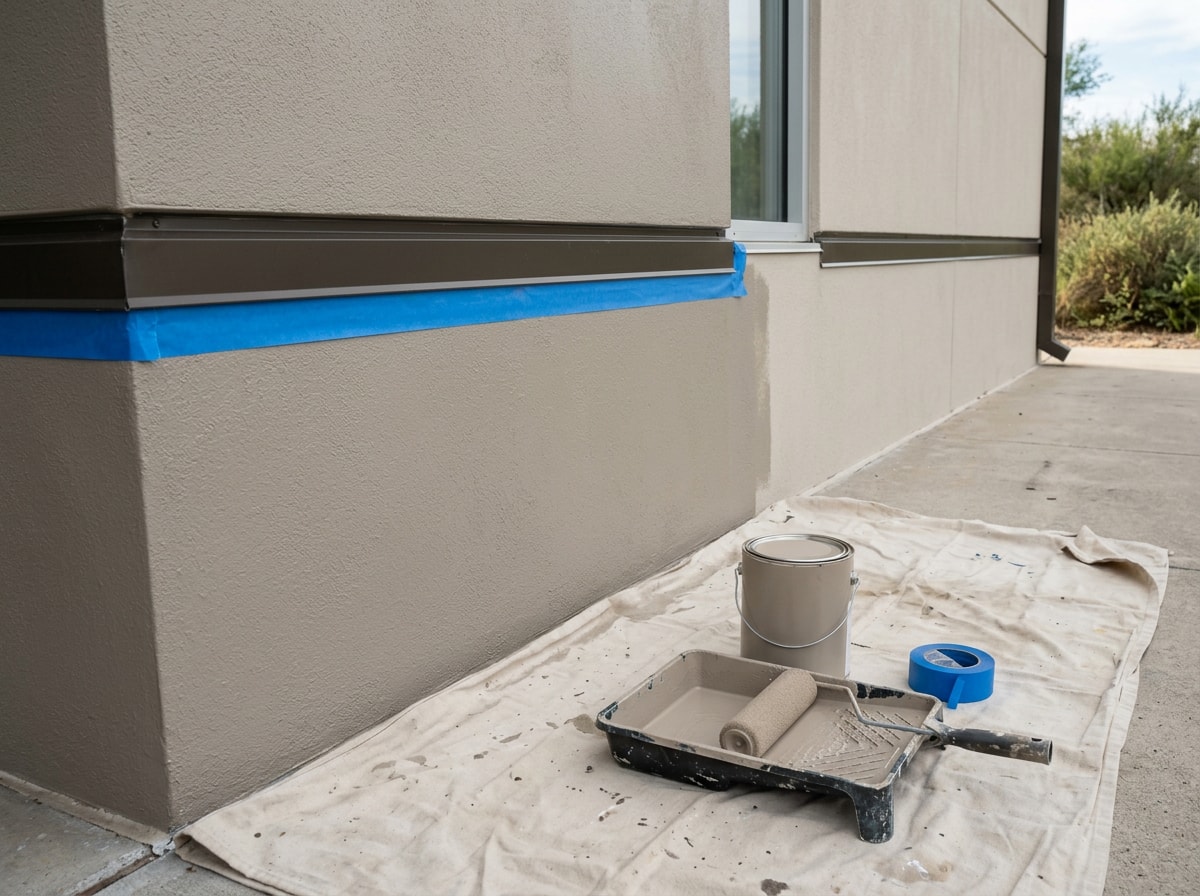
Property owners planning an exterior refresh can review the full commercial painter service category to see how exterior and interior work are typically bundled into one project.
Cost Factors for Commercial Painting Projects
Commercial painting cost depends on more than square footage. The table below breaks down the variables that typically move a bid up or down.
| Factor | Why It Matters |
|---|---|
| Surface condition | Peeling, rot, or rust add prep time before any paint goes on |
| Interior vs. exterior | Exterior work adds weather-dependent scheduling and more prep |
| Building height and access | Multi-story facades require lifts or scaffolding, not just ladders |
| Number of coats | Color changes or bare substrate often need two full coats |
| Scheduling constraints | After-hours or weekend work can affect labor costs |
| Number of locations | Multi-site projects may need coordinated crews and timelines |
A site visit is the most reliable way to get an accurate number. Get a free estimate and a contractor should be able to walk the property and give you a scope-specific quote, not a flat per-square-foot guess.
FAQ
How much does commercial painting cost in Lake Oswego?
It depends on square footage, surface condition, interior vs. exterior scope, and access requirements. A site visit is the only way to get an accurate number; generic per-square-foot averages don't account for prep work or building height.
How long does a commercial painting project take?
Timelines vary with building size and whether work happens during business hours or after. A single-story office interior might take a few days; a multi-story exterior with extensive prep can take several weeks, especially if work is limited to evenings or weekends.
Which Lake Oswego business districts do you serve?
Coverage typically includes the main commercial corridors across Lake Oswego, along with surrounding areas. Check the Lake Oswego service area page for specifics.
Do I need a licensed and insured contractor for commercial work?
Yes. Oregon requires a CCB license for contractors, and commercial property managers typically require proof of bonding and liability insurance before approving a vendor. Always verify license status before signing a contract.
Can a contractor paint multiple business locations at once?
Many contractors can coordinate multi-site scheduling with separate crews working in parallel, which is common for retail chains or property management portfolios with several buildings on a repaint cycle.
How often should a commercial building be repainted?
Exterior repaint cycles in this climate typically fall every five to eight years, depending on substrate, sun exposure, and how well the previous paint job was prepped. Interiors vary more based on wear and lease turnover.
Ready to scope your project? Contact us for a free estimate, or visit the homepage to see the full range of services. For more on vetting painting contractors before you hire, read Painter Near Me in Portland & Vancouver: What to Check Before You Hire in 2026.